Choosing Terrazzo Colors for Modern Architecture
Color selection plays a critical role in modern architectural design—especially in commercial projects such as hotels, airports, malls, offices, public buildings, and mixed-use developments. Terrazzo is unique among surface materials because of its unlimited color flexibility, allowing architects and designers to create timeless, contemporary, or brand-specific color aesthetics.
This guide explains how terrazzo color systems work, how to choose the right tones for commercial spaces, and how color affects performance, atmosphere, and long-term maintenance.
Why Color Matters in Terrazzo Design
Terrazzo offers full customization of:
Base color
Aggregate color
Aggregate size
Chip density
Binder tone
This allows designers to achieve anything from minimalist Nordic palettes to bold hotel lobby concepts.
1. Understanding Terrazzo Color Systems
Terrazzo color comes from a combination of:
Binder color (cement or epoxy)
Aggregate color (marble chips, quartz, glass, mirror, granite)
Pigments
Polish level (affects brightness)
Binder Options
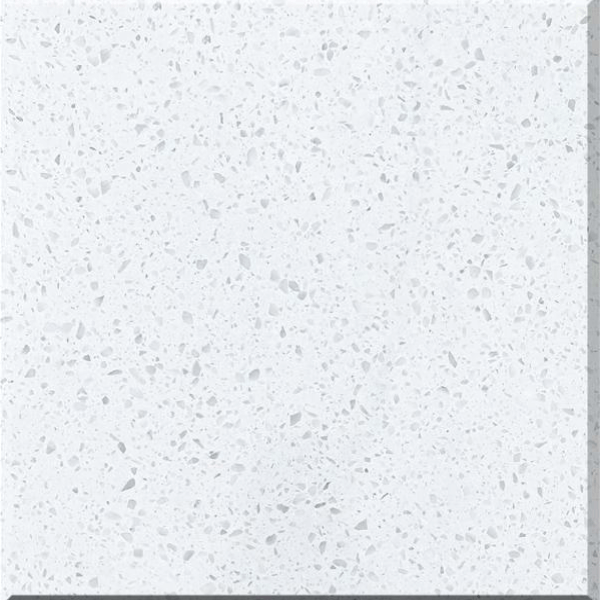
White Binder → Clean, modern, luxury aesthetic
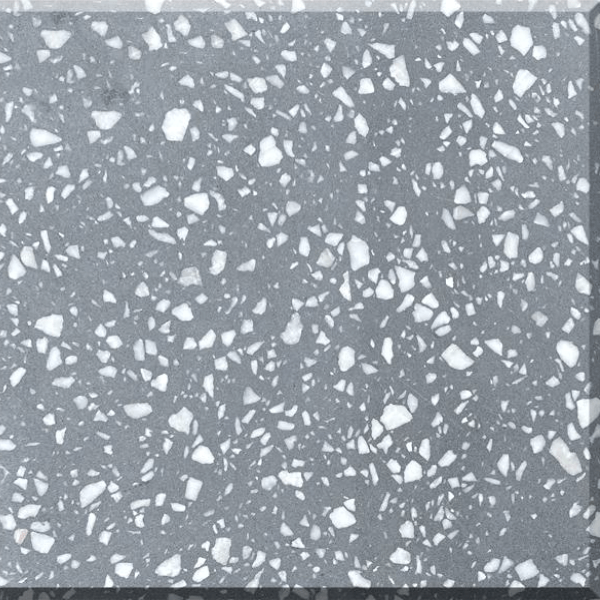
Grey Binder → Industrial, contemporary, and durable look
Colored Binder → Ideal for branding or themed interiors
2. Popular Terrazzo Color Palettes for Modern Architecture
A. Minimalist & Contemporary
White base + light grey chips
Soft greige tones
Fine aggregates
Used in luxury hotels & corporate offices
B. Warm Neutrals
Beige, sand, cream tones
Works well in malls and hospitality environments
Creates a timeless and welcoming atmosphere
C. Industrial Greys
Mid to dark grey binder
Granite aggregates
Popular in airports, transit hubs, urban retail
D. Bold & Trend-Forward Colors
Teal, terracotta, forest green, navy
Often used in feature walls or boutique retail
3. Choosing Colors Based on Project Type
Hotels
Warm neutrals
Rich accents for lobbies
Soft tones for corridors
Branded tones for reception
Airports & Transit Hubs
Industrial greys
Light-reflective white terrazzo
Durable mid-tone palettes
Shopping Malls
Beige / taupe / sandy tones
Harmonious palettes that match lighting
Medium chip density to hide wear
Corporate Offices
Minimalist greys
Clean white terrazzo for premium floors
Accent colors for collaborative spaces
Public & Government Buildings
Neutral, high-visibility colors
Light-medium tones for maintenance efficiency
4. Color Performance & Practical Considerations
A. Light-Colored Terrazzo
Pros:
Brightens interiors
Looks premium
Works well for modern designs
Cons:
Shows stains slightly easier (mitigated with sealer)
B. Dark-Colored Terrazzo
Pros:
Excellent stain masking
Strong contemporary aesthetic
Suitable for high-traffic corridors
Cons:
Shows dust more in dry regions
5. Aggregate Size & Color Influence the Final Look
Fine Chips (<3 mm)
Smooth, modern minimalist look
Medium Chips (3–7 mm)
Balanced design for commercial use
Large Chips (10–20 mm)
Strong decorative effect
Ideal for feature walls & statement floors
6. Custom Terrazzo Color Development
Your terrazzo factory can develop customized colors by:
Matching Pantone / RAL codes
Creating branded palettes
Adjusting chip combinations
Offering digital previews & sample boards
This makes terrazzo ideal for chain hotels, branded retail, government halls, and themed commercial projects.
7. Case Gallery: Modern Architecture Color Applications
Conclusion
Terrazzo’s color versatility is unmatched among architectural materials. Whether you’re designing a calm, minimalist interior or a bold modern space, terrazzo can be customized to achieve exactly the atmosphere and branding you need. With thousands of possible combinations, terrazzo remains a top choice for architects working on large-scale commercial and hospitality projects.
Milestone International carries hundreds of appealing terrazzo colors. If you’re looking for terrazzo for your project, welcome to contact us.
❓ FAQ
1. How do architects choose terrazzo colors for commercial projects?
They evaluate binder tone, chip color, chip size, lighting, and the building’s functional requirements.
2. Can terrazzo colors be customized?
Yes. Factories can match Pantone/RAL colors and create custom blends.
3. Which terrazzo colors work best in high-traffic environments?
Medium-tone neutrals and industrial greys hide dust and wear effectively.
4. Do lighter terrazzo colors stain more easily?
Slightly, but proper sealing significantly reduces staining risk.
5. Are large chip terrazzo mixes suitable for commercial spaces?
Yes—especially for feature walls and design statements.